Agent-ready wine catalog 101: turning tasting notes, varietals, AVAs, vintages, allergens, and pairings into structured product truth AI agents can trust

Guide for wine commerce leaders on turning tasting notes, AVAs, vintages, allergens, and pairings into normalized catalog truth AI agents can trust and transact.

eLLMo Team
eLLMo Team
12 min read

Technical Guides

Your catalog already has the signal. eLLMo makes it agent-ready.

Convert tasting notes, AVAs, vintages, allergens, and pairings into normalized attributes that AI agents can trust across ChatGPT, Google AI, Perplexity, and your domain.

Executive summary

As commerce shifts from web pages to AI agents, wine retailers need product truth that machines can understand and act on. eLLMo AI ingests your catalog, normalizes attributes (varietal, AVA, vintage, allergens, pairings), verifies them, and distributes trusted product knowledge across agentic surfaces without replatforming.

Learn more at Solutions for Brands and Agentic Commerce.

  • No replatforming or downtime
  • Real-time verified catalogs with policy hooks for agents
  • Distribution via UCP, ACP, MCP, and A2A to AI surfaces
  • Checkout flows executed by agents or routed to your site

Visualizing the Shift to Agent-Ready Catalogs

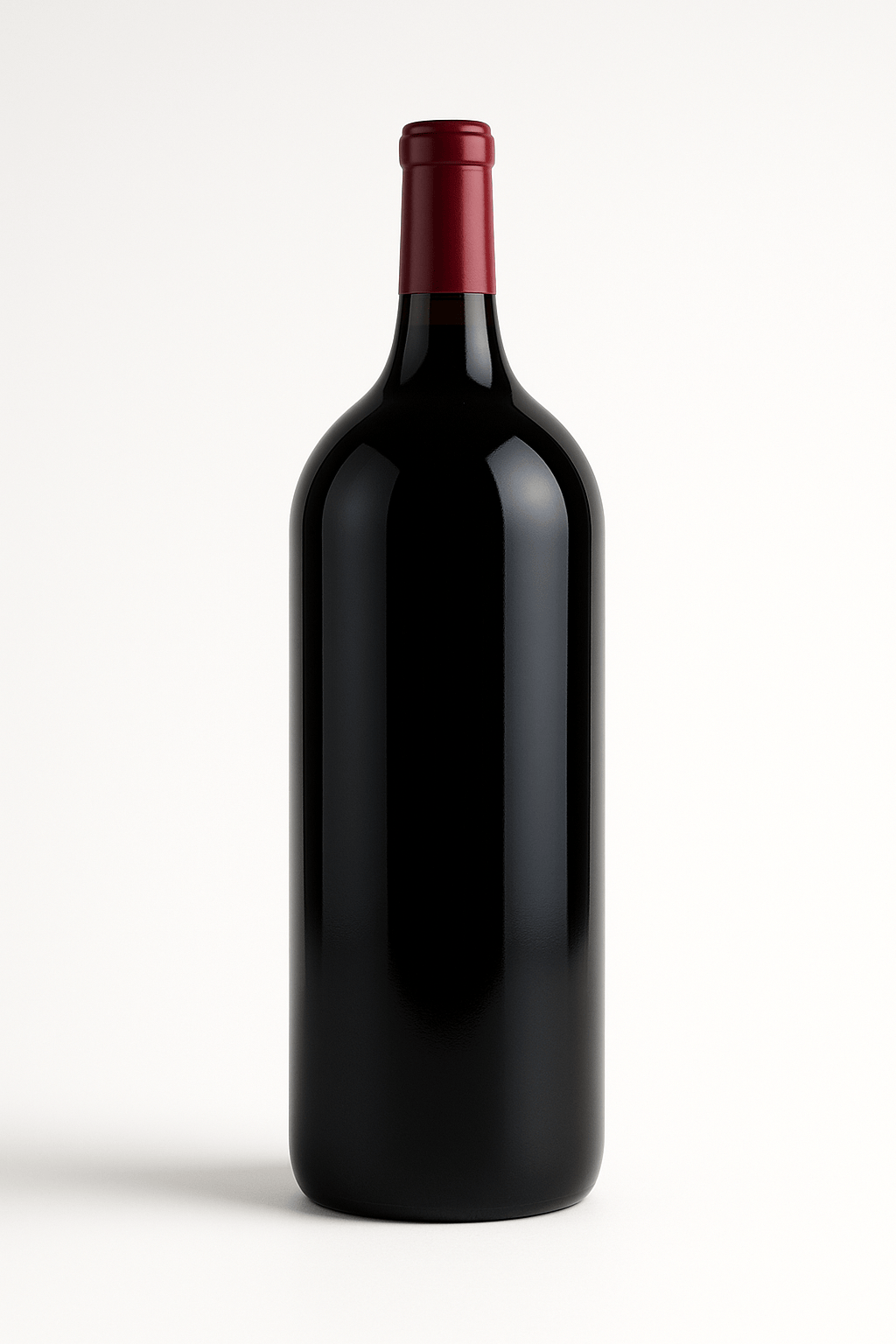
Traditional wine catalog data representation

AI Search Results: A wine bottle without a label; hard to interpret and identify without data. Will not recommend.

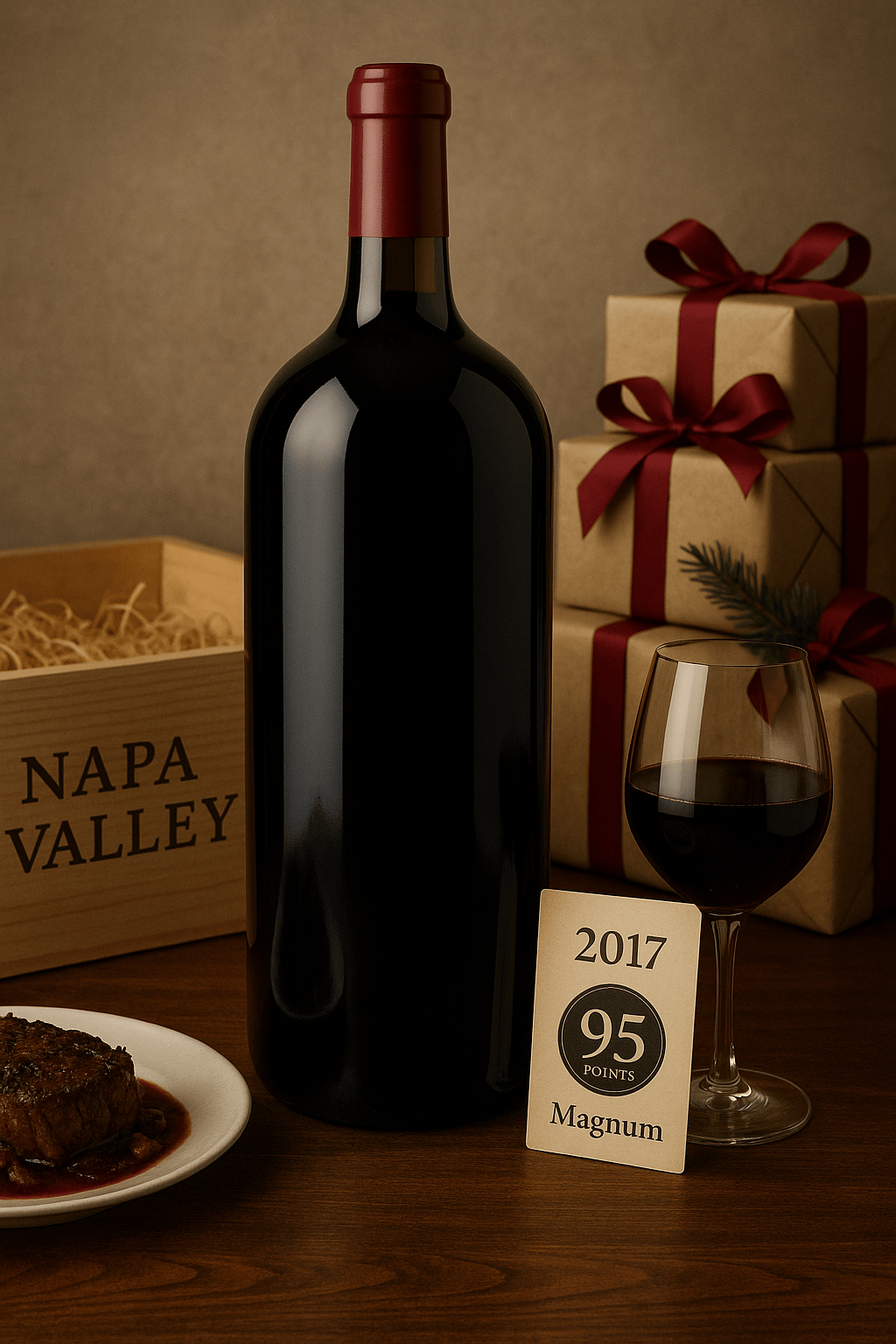
Agent-ready structured product truth representation

2017 [Your Brand] Select Cabernet Sauvignon Magnum (1.5L) — 95 points (Jeb Dunnuck). Large-format Napa Valley Cabernet with dark blackberry, fig, mocha, and dark chocolate. Age-worthy and collectible. Ideal for cellaring, special occasions, and gifting. Winery exclusive. Limited availability.

Commerce-focused details that drive AI Discovery

These purchase drivers help AI highlight value and urgency to convert browsers into buyers.

When AI assistants can access structured commerce data like critic scores, format specifications, and availability status; they can craft recommendations that emphasize value proposition and create purchase urgency. This transforms casual browsing into completed transactions by matching customer intent with the right product details at the right moment.

1

Ratings and critical scores

95-point ratings and critic accolades create instant credibility and justify premium pricing in AI recommendations.

2

Format and size options

Large-format magnums and special sizes signal special occasions, making wines perfect for celebrations and gifting.

3

Age-worthiness and collectibility

Highlighting cellaring potential appeals to collectors and investors, expanding your customer base beyond immediate consumption.

4

Exclusivity and availability

Winery exclusives and limited availability create urgency, encouraging immediate purchase decisions from AI recommendations.

Business outcomes

Structured product data plays an increasingly strategic role in how e-commerce businesses perform in digital channels, particularly when it comes to search visibility and conversions. By providing standardized markup (like schema.org product schema) on product pages, websites help search engines and other discovery platforms understand the meaning of their content rather than just the keywords on the page.

Today, most product searches begin on intermediary platforms, marketplaces, and discovery engines rather than your website. In this environment, structured product data becomes the foundation of how products are surfaced and engaged with across the digital ecosystem.

Key business outcomes from structured product data

Enhanced search visibility

Structured data enables rich snippets, product carousels, star ratings, price displays, and availability tags directly in search engine results. These enhancements make listings more prominent and informative, driving higher click-through rates from organic search results compared to plain text links. While structured data doesn't automatically boost rankings on its own, it indirectly improves visibility and engagement metrics that correlate with stronger organic performance over time.

Improved conversion outcomes

When search engines display rich, detailed product information such as price, reviews, shipping details, and ratings right in the results page, users are better informed and more likely to visit pages where they intend to purchase. This pre-qualifying effect leads to higher conversion rates once users land on site because they've already seen key attributes that match their purchase criteria. Additionally, structured data enables advanced site features like faceted search, intelligent filtering, and personalized recommendations, creating a smoother path from discovery to purchase.

Upstream positioning in the consumer journey

Well-structured attributes help your products show up in relevant contexts (featured snippets, image packs, rich result carousels) that competitors without such markup simply won't access. By adopting structured product data early, businesses not only unlock better initial search visibility but also position themselves upstream in the consumer decision journey, making every subsequent conversion opportunity stronger.

What agent-ready means for wine

Agent-ready catalogs expose consistent, machine-actionable attributes paired with provenance and policy so assistants can parse intent, retrieve normalized attributes, cite trusted sources, and link to transactable offers with availability and pricing.

For wine, standardizing core fields reduces ambiguity and compliance risk. The Alcohol and Tobacco Tax and Trade Bureau defines American Viticultural Areas and their labeling use TTB AVA. It also specifies sulfite declarations at 10 ppm total SO2 TTB Sulfites.

We align catalog structure to schema.org Product and schema.org Offer so agent surfaces can retrieve consistent product and pricing data.

  • Varietal and blend percentages
  • AVA or appellation, region, sub-AVA, vineyard
  • Vintage, NV, bottle format, ABV, closures
  • Allergens including sulfites and fining agents
  • Tasting notes and pairing suggestions with normalized tags
  • Certifications and dietary tags (organic, biodynamic, vegan)
  • Inventory, price, tax class, shipping and age eligibility

From tasting notes to normalized attributes: a pragmatic playbook

1

Step 1: Ingest

eLLMo overlays your current site and feeds to collect titles, descriptions, tasting notes, spec tables, PDP metadata, and offers.

2

Step 2: Normalize

Map free text to controlled vocabularies, preserve raw notes for transparency, and standardize vintage and blend structures.

3

Step 3: Verify and enrich

Apply provenance and timestamps, flag compliance fields (sulfites threshold, age and shipping constraints), and enrich with consistent pairing and dietary tags.

4

Step 4: Distribute

Publish a single structured source of truth to agent surfaces via UCP, ACP, MCP, A2A, and direct APIs, aligned to schema.org Product and Offer.

Anatomy of the wine attributes that matter most

These are the fields that drive high quality, agent-safe answers for wine catalogs.

1

Varietal and blends

Normalize synonyms and store blend percentages as structured lists with varietal hierarchies.

2

AVA, region, sub-AVA, vineyard

Use official AVA names and boundaries, and maintain alias mappings for colloquial regions.

3

Vintage and NV

Represent single vintage as YYYY, NV as NV, and handle multi-vintage variants with explicit rollups.

4

Allergens and fining agents

Track sulfites and fining agents such as egg whites or isinglass to support vegan and vegetarian filters.

5

Tasting notes and structure

Store free text plus normalized tags for aroma, flavor, structure, and body so assistants can answer precisely.

6

Pairings and dietary tags

Normalize pairings like seafood, red meat, and aged cheese, and capture organic, biodynamic, and vegan tags.

7

Offers and eligibility

Capture price, currency, inventory, tax class, shipping rules, and age restrictions for accurate agent logic.

Agent-safe answers require trust, provenance, and policy hooks

Provenance and versioning

Stamp each attribute with source, version, and timestamp so agents know what is current.

Audit logs and rollups

Maintain change history for variants and blends to support traceability and corrections.

Policy hooks for compliance

Expose age gating, allergen disclosures, and shipping eligibility so answers stay policy aligned.

Security and isolation

Protect brand and customer data with enterprise controls and tenant isolation.

Trust, provenance, and policy in practice

eLLMo maintains authoritative product truth so your brand shows up accurately everywhere. Attributes are verified, changes are tracked, and policy logic is applied at answer time. The result is agent responses that can show "verified by brand" badges and route customers to checkout-ready links with confidence.

Review our AI Policy and Security posture for more detail.

Distribution: show up correctly on every AI surface

eLLMo supports current and emerging standards without forcing a platform migration. Your Cabernet shows up the same way in a Google AI card, a ChatGPT recommendation, and on your own PDP because the source of truth is unified.

  • Universal Commerce Protocol (UCP)
  • Agent Commerce Protocol (ACP)
  • Model Context Protocol (MCP)
  • Agent to Agent (A2A)
  • Direct APIs and catalog feeds

Note: eLLMo AI automatically deploys compliant structured data to new URLs at publish, so no manual JSON-LD is needed.

Explore the protocols in Agentic Commerce.

What good looks like and what to measure

Example: A customer asks, "Seafood-friendly white, low sulfites, under $30, available to ship to WA." The agent returns two whites with normalized pairings, sulfites tagging, price filters, and state-eligible shipping, plus checkout links with correct inventory and tax.

KPIs to watch:

  • Agent-driven conversions and AOV
  • AI surface impression share and CTR to your offers
  • Answer accuracy rate and time to correct for catalog changes
  • Reduction in manual merchandising and FAQ burden

Implementation checklist for agent-ready wine catalogs

Your roadmap to AI-first commerce

1

Normalize core attributes

Standardize varietals, AVAs, vintages, and pairings with controlled vocabularies.

2

Validate compliance fields

Confirm AVA naming, sulfites disclosures, and allergen tagging based on TTB guidance.

3

Standardize vintage logic

Represent single vintage as YYYY, NV as NV, and handle multi-vintage rollups explicitly.

4

Capture policy hooks

Record age gating, shipping eligibility, and state-level constraints for agent logic.

5

Align offers to inventory

Keep price, tax class, and availability synchronized for checkout-ready answers.

6

Log provenance and changes

Stamp attributes with source and timestamp, and retain audit history for variants.

7

Measure accuracy and impact

Track answer accuracy, conversion, and catalog correction time for continuous improvement.

To stay up to date, follow us on LinkedIn and sign up to our mailing list via our mailing list.

See it live at DTC Wine Symposium (Monterey, CA, Jan 20-22)

Bring your store catalog. We will translate tasting notes to normalized attributes to agent-safe answers to checkout-ready links on the spot.

Want to reserve time? Email hello@tryellmo.ai.

FAQ

Q: What does agent-ready mean for wine?

Your product truth is normalized, verifiable, and distributed to AI assistants and answer engines so they can recommend and transact reliably without manual rework.

Q: Do we need to replatform?

No. eLLMo overlays your current site and feeds, integrates with Shopify, WooCommerce, and custom stacks, and publishes via UCP, ACP, MCP, and A2A. Learn more in Agentic Commerce.

Q: How do you handle vintages and NV?

We standardize single vintage as YYYY, NV as NV, and support multi-vintage variants with clear rollup logic so agents do not mismatch years.

Q: Will you generate schema markup?

Yes. eLLMo deploys compliant structured data automatically when new URLs are published, so no manual JSON-LD is needed.

Q: How do you ensure compliance and trust?

We incorporate TTB definitions for AVAs and sulfite disclosures, apply provenance and versioning, and expose agent-trusted policy hooks. See TTB AVA, TTB Sulfites, AI Policy, and Security.

See a live demo with your own store

Tasting notes to normalized attributes to agent-safe answers to checkout-ready links.

Join Our Mailing List

Stay tuned. Join our mailing list to be among the first to experience the future of search. We'll be in touch with news and updates.

We respect your privacy. Unsubscribe at any time.

Agent-ready wine catalog 101: turning tasting notes, varietals, AVAs, vintages, allergens, and pairings into structured product truth AI agents can trust | eLLMo AI Blog