Help AI sell your wine: a strategic guide to agent-ready catalogs

A 3-minute guide for wine retailers on how to turn existing tasting notes and vintages into high-performing data that AI assistants like ChatGPT and Google Gemini can use to grow your brand.

eLLMo Team
eLLMo Team
3 min read

Best Practices

Your wine catalog has hidden value. eLLMo helps you unlock it.

Turn your existing tasting notes and product details into organized information that AI assistants can trust to recommend and sell your wine.

Executive summary: selling everywhere without the extra work

Customers are no longer just browsing websites. They are asking AI assistants like ChatGPT and Google Gemini for wine recommendations. If your product information is contained in unstructured PDFs or inconsistent tasting notes, these assistants can't reach their full potential for your brand. eLLMo organizes your catalog so AI can understand exactly what you offer, ensuring your wine shows up with the right details, price, and shipping info every time.

Explore more at Solutions for Brands.

Visualizing the Shift to Agent-Ready Catalogs

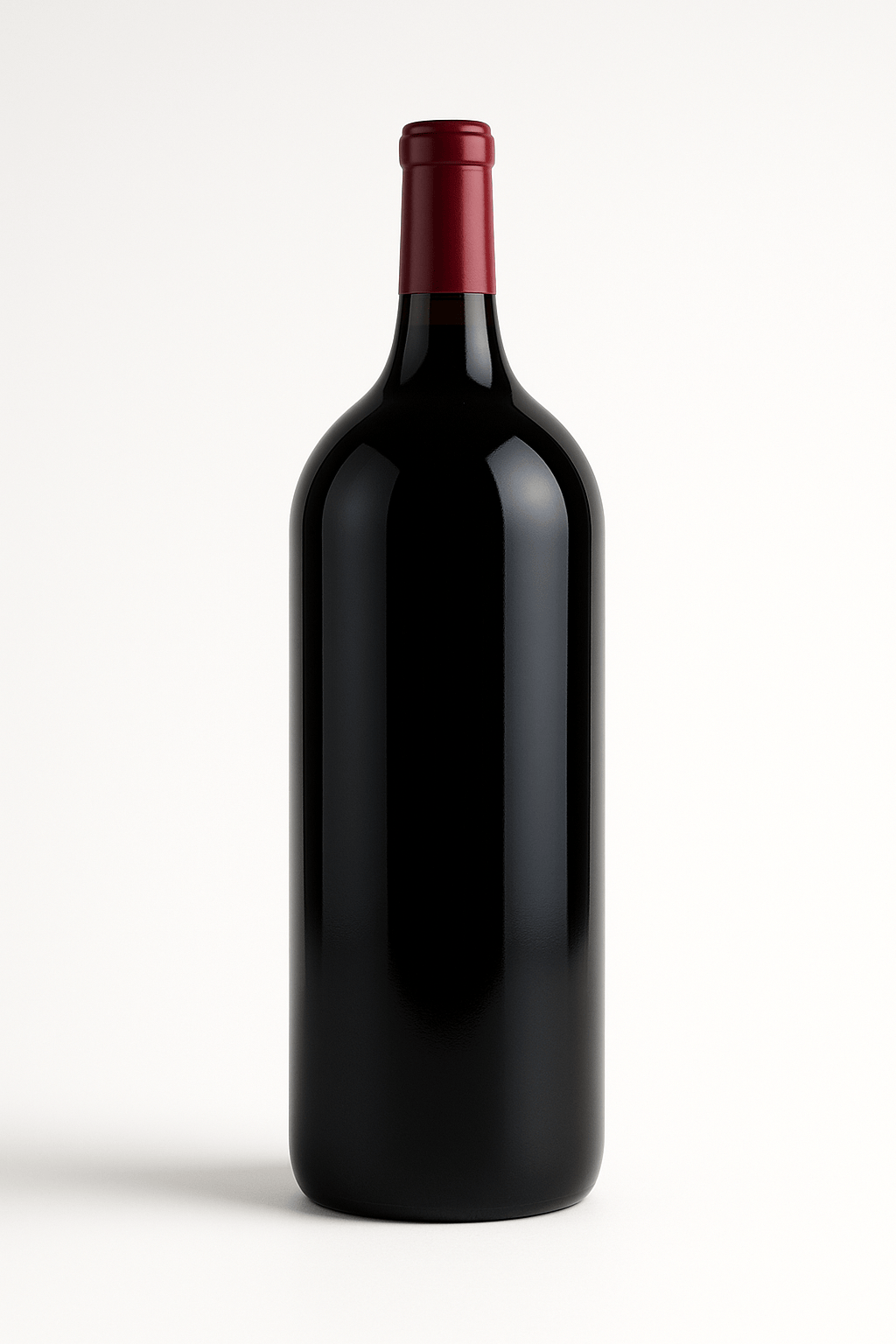
Traditional wine catalog data representation

AI Search Results: A wine bottle without a label; hard to interpret and identify without data. Will not recommend.

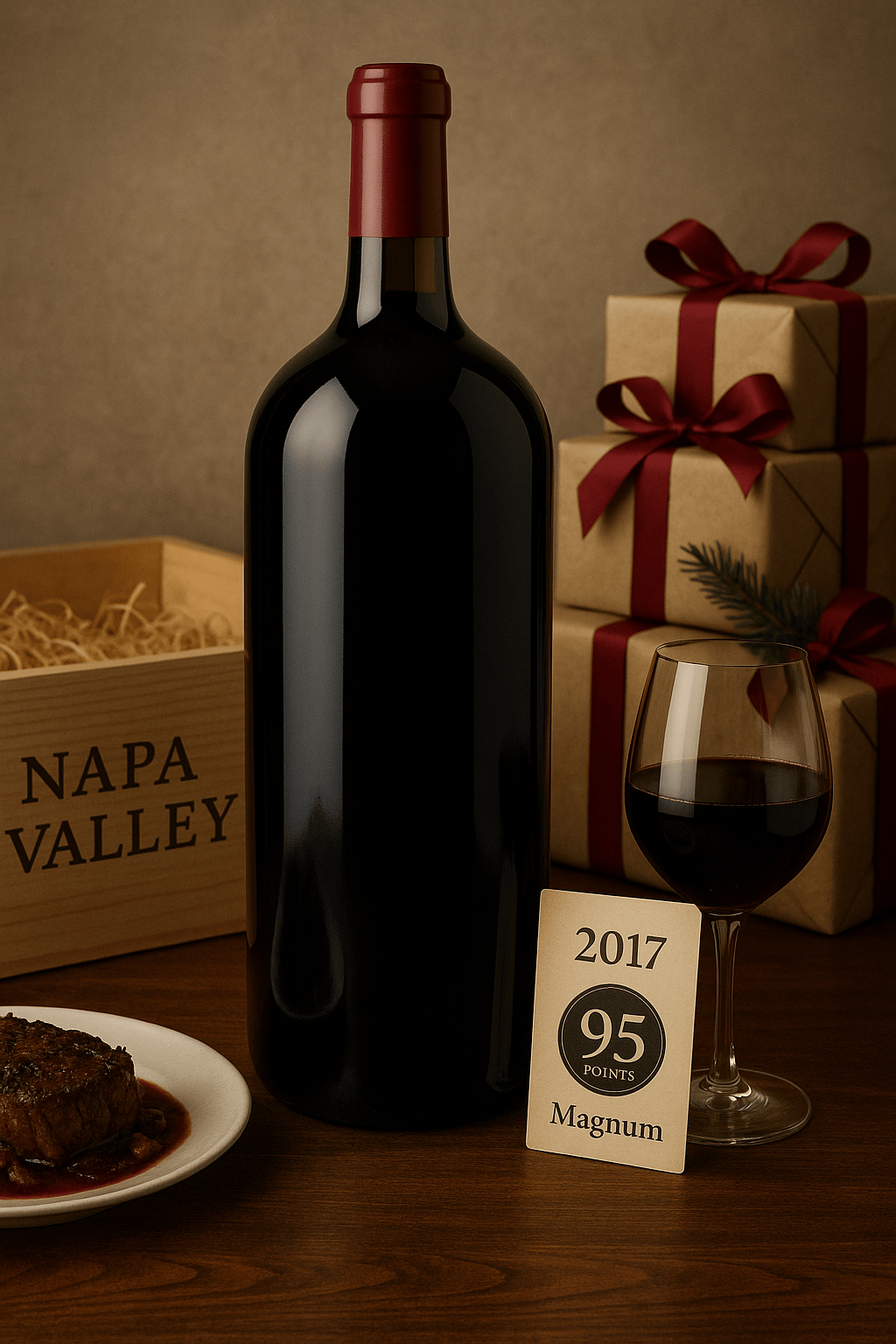
Agent-ready structured product truth representation

2017 [Your Brand] Select Cabernet Sauvignon Magnum (1.5L) — 95 points (Jeb Dunnuck). Large-format Napa Valley Cabernet with dark blackberry, fig, mocha, and dark chocolate. Age-worthy and collectible. Ideal for cellaring, special occasions, and gifting. Winery exclusive. Limited availability.

Commerce-focused details that drive AI Discovery

These purchase drivers help AI highlight value and urgency to convert browsers into buyers.

When AI assistants can access structured commerce data like critic scores, format specifications, and availability status; they can craft recommendations that emphasize value proposition and create purchase urgency. This transforms casual browsing into completed transactions by matching customer intent with the right product details at the right moment.

1

Ratings and critical scores

95-point ratings and critic accolades create instant credibility and justify premium pricing in AI recommendations.

2

Format and size options

Large-format magnums and special sizes signal special occasions, making wines perfect for celebrations and gifting.

3

Age-worthiness and collectibility

Highlighting cellaring potential appeals to collectors and investors, expanding your customer base beyond immediate consumption.

4

Exclusivity and availability

Winery exclusives and limited availability create urgency, encouraging immediate purchase decisions from AI recommendations.

Why organized data matters for your bottom line

Be found where customers ask

When someone asks for a 'low-tannin red under $40,' organized data ensures your wine is the one being recommended.

Build trust with accurate answers

AI can only be as accurate as the data it has. Clear details on vintages and regions prevent embarrassing mistakes.

Streamline the path to purchase

By connecting your inventory and shipping rules to the AI, you turn a simple conversation into a completed sale.

The 3-step framework for an AI-ready catalog

1

Step 1: Connect your existing content

We gather your current tasting notes, bottle specs, and pricing from your website, with no manual entry needed.

2

Step 2: Structure and organize

We turn free-form text into clear categories (like varietal, region, and flavor) that AI can precisely interpret.

3

Step 3: Sell across all AI platforms

Your verified catalog is shared with top AI assistants, making your wine transactable in your website and ready for agentic commerce once age verification rolls out.

The details that help AI sell more wine

These are the core details that customers care about and AI assistants need to know.

1

Flavor and body

Help AI describe your wine accurately to match a customer's specific taste preferences.

2

Food pairings

Ensure your wine is recommended when someone asks, 'What goes well with grilled salmon?'

3

Vintages and regions

Clear up confusion between different years and specific AVAs or vineyards.

4

Dietary and compliance info

Crucial details like organic status, allergens (sulfites), and shipping eligibility to avoid checkout issues.

Quick wins for your wine catalog

Your roadmap to AI-first commerce

1

Standardize your years

Use clear year formats (e.g., 2022) or 'NV' for non-vintage to ensure maximum AI accuracy.

2

Add simple food tags

Tagging wines with basic food groups makes them significantly more 'searchable' for AI.

3

Verify shipping states

Knowing where you can ship prevents AI from recommending wines to customers in restricted areas.

4

Keep prices synced

Ensure the price the AI shows matches what is on your checkout page to build customer trust.

To stay up to date, follow us on LinkedIn and sign up to our mailing list via our mailing list.

See your catalog through the eyes of AI

We can show you exactly how AI sees your current catalog and how to make it better in minutes.

Join Our Mailing List

Stay tuned. Join our mailing list to be among the first to experience the future of search. We'll be in touch with news and updates.

We respect your privacy. Unsubscribe at any time.

Help AI sell your wine: a strategic guide to agent-ready catalogs | eLLMo AI Blog